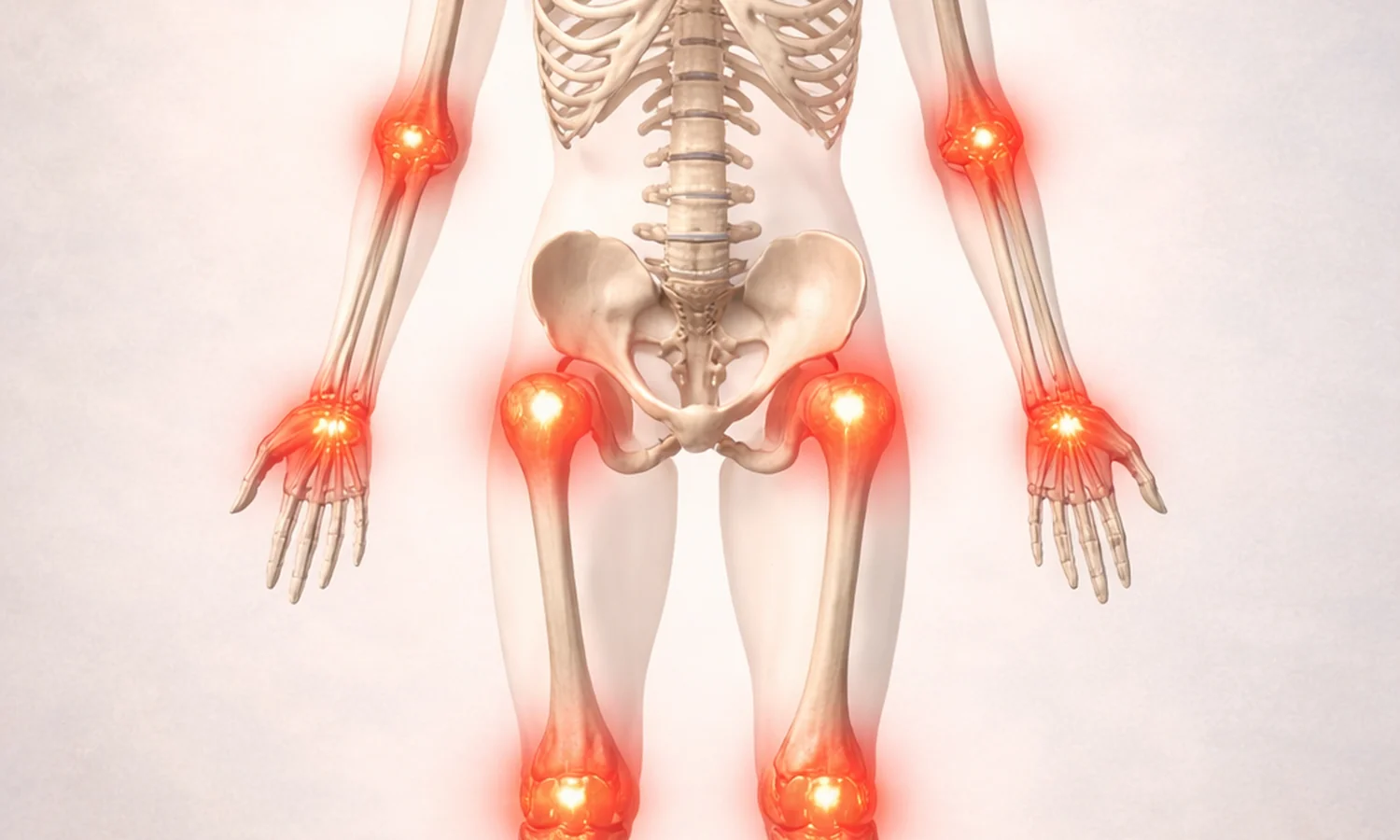
Understanding Joint Pain and Inflammation
Joint pain typically stems from two primary sources: inflammation and structural wear. Inflammation occurs when your immune system responds to irritation in the joint, releasing chemicals that cause swelling, heat, and pain. This process, while protective in acute situations, can become problematic when it persists chronically.
Structural wear involves the gradual breakdown of cartilage—the smooth, cushioning tissue that covers the ends of bones in joints. As cartilage wears away, bones may begin to rub together, causing pain and reduced mobility. This is characteristic of osteoarthritis, the most common form of joint disease affecting over 32 million American adults.
Why Consider Supplements?
Supplements are not medications and cannot cure joint conditions. However, certain supplements may offer support in different ways. Some contain compounds that research suggests may help modulate inflammatory processes in the body. Others provide building blocks that may support cartilage structure or joint fluid composition.
It's crucial to understand that supplement responses vary considerably between individuals. What helps one person significantly may have little effect on another. Factors including the specific cause of joint pain, overall health status, diet, activity level, and genetic variations all influence how—and whether—a particular supplement may help.
What Supplements Can and Cannot Do
Supplements may potentially:
- Support the body's natural inflammatory response processes
- Provide nutrients that contribute to joint tissue structure
- Complement other approaches to joint health when used consistently
- Offer an alternative for those seeking options beyond pharmaceuticals
Supplements cannot:
- Replace medical treatment for diagnosed conditions
- Guarantee pain relief or functional improvement
- Reverse significant joint damage or advanced arthritis
- Work in isolation without attention to lifestyle factors
Quick Comparison Table
| Supplement | Best For | Evidence Strength | Key Benefits | Important Notes |
|---|---|---|---|---|
| Turmeric (Curcumin) | Inflammation-driven pain, active arthritis | High | May help modulate inflammatory processes; multiple pathways | Needs black pepper or special formulation for absorption |
| Omega-3s (EPA/DHA) | Systemic inflammation, rheumatoid arthritis | High | Supports inflammatory balance; cardiovascular benefits | Fish oil most effective; takes 2-3 months |
| Glucosamine & Chondroitin | Mild to moderate knee osteoarthritis | Moderate | May support cartilage structure; long-term use | Mixed study results; works better for some than others |
| Ginger | Mild pain, digestive-sensitive individuals | Moderate | Gentle anti-inflammatory; well-tolerated | Milder effects than turmeric; food-based option |
| Boswellia | Inflammatory arthritis, combination formulas | Moderate | Different pathway than turmeric; synergistic potential | Often combined with other herbs |
| MSM | Connective tissue support, add-on therapy | Emerging | May support sulfur-dependent processes | Less research than others; generally safe |
| Collagen Peptides | Aging joints, athletes, structural support | Moderate | Provides building blocks for cartilage and connective tissue | Type II most studied for joints; takes 3+ months |
💊 How to Choose Quality Joint Supplements
When selecting supplements, look for:
- Third-party testing: Verification of purity and potency by independent labs
- Standardized extracts: Consistent amounts of active compounds
- Enhanced absorption: Formulations designed for better bioavailability
- Transparent labeling: Clear ingredient lists with specific amounts
Ready to find the right supplement? We've researched top-rated options in each category.
View Recommended Joint Supplements →Affiliate Disclosure: We may earn a commission from purchases made through our links at no extra cost to you. We only recommend products that meet our quality standards.
Turmeric (Curcumin): The Gold Standard
Turmeric, and specifically its active compound curcumin, has emerged as one of the most thoroughly researched natural compounds for joint health. Multiple studies suggest it may help support the body's inflammatory response through several biochemical pathways.
How It May Work
Curcumin appears to interact with various molecules involved in inflammatory processes, including enzymes called COX-2 and 5-LOX. By modulating these pathways, curcumin may help the body maintain a balanced inflammatory response. Research also suggests antioxidant properties that may protect joint tissues from oxidative stress.
A 2016 systematic review of randomized controlled trials concluded that curcumin extract providing approximately 1,000mg of bioavailable curcumin daily showed effects comparable to common over-the-counter pain relievers in terms of pain reduction and functional improvement for osteoarthritis, with a more favorable safety profile.
The Bioavailability Challenge
Standard curcumin powder is poorly absorbed by the body—only about 1% reaches the bloodstream when taken alone. This critical limitation means regular turmeric powder, while excellent for cooking, is unlikely to provide therapeutic amounts of curcumin for joint support.
Several strategies address this:
- Black pepper extract (piperine): Increases curcumin absorption by up to 2,000%. The most common and cost-effective approach.
- Phospholipid complexes (phytosomes): Curcumin bound to fats for better absorption; well-researched formulation.
- Nanoparticle formulations: Ultra-small particles that may enhance absorption significantly.
Who It May Help Most
Turmeric supplements appear most beneficial for individuals experiencing inflammation-driven joint pain, particularly those with osteoarthritis or rheumatoid arthritis. Some people report noticeable improvements in morning stiffness and overall joint comfort after consistent use for 4-8 weeks.
Important Considerations
While generally well-tolerated, turmeric has mild blood-thinning properties. Those taking anticoagulant medications should consult their healthcare provider before use. It may also interact with certain diabetes medications and can increase stomach acid production, which may not be suitable for those with reflux or ulcers.
Typical dosing ranges from 500mg to 2,000mg of curcumin extract daily, usually divided into 2-3 doses with meals.
💊 Recommended Turmeric Supplements
What to look for:
- 95% curcuminoids standardization
- BioPerine (black pepper extract) for enhanced absorption
- 500-1,000mg curcumin per serving
- Third-party testing for purity
Popular options include curcumin with black pepper extract (most affordable), phytosome formulations for enhanced absorption, or liposomal curcumin for maximum bioavailability.
View Top-Rated Turmeric Supplements →Omega-3 Fatty Acids: Nature's Anti-Inflammatory
Omega-3 fatty acids, particularly EPA (eicosapentaenoic acid) and DHA (docosahexaenoic acid) found in fish oil, represent another well-researched approach to supporting joint health through inflammation modulation.
How They Work Differently
Unlike herbal extracts that block inflammatory pathways, omega-3s work by becoming incorporated into cell membranes throughout the body. Once there, they serve as building blocks for compounds called resolvins and protectins—molecules that help the body resolve inflammation naturally rather than simply blocking it.
This distinction matters. While anti-inflammatory herbs like turmeric work relatively quickly, omega-3s require time to accumulate in tissues before effects become apparent—typically 8-12 weeks of consistent daily use.
Evidence Base
Research on omega-3s for joint health is extensive, particularly for rheumatoid arthritis. Multiple studies suggest that doses of 2,000-3,000mg of combined EPA and DHA daily may help reduce joint tenderness and morning stiffness. The evidence for osteoarthritis is more mixed but still shows potential benefit for some individuals.
Fish Oil vs. Plant Sources
Marine sources (fish oil, krill oil, algae oil) provide EPA and DHA directly. Plant sources like flaxseed provide ALA (alpha-linolenic acid), which the body must convert to EPA and DHA—a process that's often inefficient, with conversion rates as low as 5-10%.
For joint support specifically, marine-sourced omega-3s appear more effective due to the direct availability of EPA and DHA.
When to Choose Omega-3s
Omega-3 supplements may be particularly appropriate for individuals with:
- Inflammatory types of arthritis (rheumatoid, psoriatic)
- Systemic inflammation affecting multiple joints
- Cardiovascular concerns alongside joint issues
- Difficulty tolerating herbal supplements
Quality and Dosing Considerations
Look for products that list specific amounts of EPA and DHA (not just "fish oil"). Third-party testing for purity and freshness is important, as fish oil can oxidize. Typical therapeutic doses for joints range from 2,000-4,000mg of combined EPA and DHA daily.
Take with meals to reduce fishy aftertaste and improve absorption. Those on blood-thinning medications should consult their healthcare provider, as high-dose omega-3s have mild anticoagulant effects.
💊 Recommended Omega-3 Supplements
What to look for:
- 2,000-3,000mg combined EPA + DHA daily (not just "fish oil")
- Third-party tested for purity (mercury, PCBs)
- Triglyceride form for better absorption
- Freshness indicators (low oxidation levels)
Choose from concentrated fish oil, krill oil for added phospholipids, or algae oil for a vegetarian source of EPA and DHA.
View Top-Rated Omega-3 Supplements →Glucosamine & Chondroitin: Building Blocks for Joints
Glucosamine and chondroitin represent a different approach to joint support—providing structural components that the body uses to build and maintain cartilage rather than primarily targeting inflammation.
How They May Support Joints
Glucosamine is a natural compound found in cartilage. Supplemental glucosamine is thought to provide raw materials that cartilage-producing cells (chondrocytes) might use for maintenance and repair. Chondroitin, a complex sugar, is a major component of cartilage that may help it retain water and elasticity.
The theory is that supplementing these compounds might support the body's ability to maintain cartilage structure, potentially slowing degradation or supporting repair processes.
The Evidence Puzzle
Research on glucosamine and chondroitin presents a mixed picture. Some studies show meaningful benefits for pain and function in knee osteoarthritis, while others show minimal effects. This inconsistency has led to ongoing debate among researchers and clinicians.
A large NIH-funded study (GAIT trial) found that glucosamine combined with chondroitin provided statistically significant pain relief for a subset of people with moderate to severe knee pain, but not for those with mild pain. European studies have generally shown more positive results than American studies.
Why Results Vary
Several factors may explain inconsistent findings:
- Glucosamine comes in different forms (sulfate vs. hydrochloride) with potentially different bioavailability
- Quality and purity vary significantly between products
- Individual differences in absorption and utilization
- Severity and type of joint damage affects response
- These supplements work slowly; studies shorter than 6 months may miss effects
Who May Benefit
Based on current evidence, glucosamine and chondroitin may be worth trying for:
- Mild to moderate knee osteoarthritis specifically
- Those seeking structural support rather than rapid pain relief
- Individuals willing to commit to 3-6 months of consistent use
- People preferring a structural approach to complement anti-inflammatory strategies
Practical Considerations
Standard dosing is 1,500mg glucosamine sulfate and 1,200mg chondroitin sulfate daily. These supplements are generally very well-tolerated, though people with shellfish allergies should note that glucosamine is often derived from shellfish (alternatives exist).
Effects, if they occur, typically take 4-12 weeks to notice. These supplements work best for prevention and mild symptoms rather than severe, advanced arthritis.
💊 Recommended Glucosamine & Chondroitin Supplements
What to look for:
- 1,500mg glucosamine sulfate (preferred form)
- 1,200mg chondroitin sulfate
- Combination formulas for convenience
- Shellfish-free options if you have allergies
Many high-quality joint formulas combine glucosamine and chondroitin with MSM or other complementary ingredients for comprehensive support.
View Top-Rated Glucosamine Supplements →Ginger: Ancient Pain Relief
Ginger has been used medicinally for thousands of years, and modern research suggests it may offer gentle support for joint discomfort through mild anti-inflammatory effects.
How Ginger Compares to Turmeric
Both ginger and turmeric belong to the same plant family and share some similar compounds. However, ginger's active components (gingerols and shogaols) are distinct from curcumin and work through slightly different mechanisms.
Research suggests ginger's anti-inflammatory effects are generally milder than concentrated curcumin extracts, making it better suited for those with mild symptoms or those seeking a gentler, food-based approach.
Research Evidence
Studies on ginger for osteoarthritis show modest but meaningful benefits. A meta-analysis found that ginger extracts providing 500-1,000mg daily reduced pain and improved function in knee osteoarthritis, though effects were less pronounced than with NSAIDs or curcumin.
One advantage of ginger is its excellent safety profile and multiple health benefits beyond joints, including digestive support and nausea relief.
Best Uses for Ginger
Ginger may be most appropriate for:
- Mild joint discomfort not requiring aggressive intervention
- Those with sensitive stomachs (ginger is often soothing)
- People preferring whole-food approaches over concentrated extracts
- Combining with other anti-inflammatory herbs for synergistic effects
Forms and Dosing
Ginger can be consumed as:
- Fresh or dried root in cooking (1-2 inches fresh or 1-2 teaspoons dried daily)
- Ginger tea (steep fresh ginger for 10-15 minutes)
- Standardized extracts (250-500mg, 2-3 times daily)
While very safe, high doses may increase bleeding risk in those on anticoagulants, and some people experience mild heartburn.
Boswellia: The Frankincense Extract
Boswellia serrata, also known as Indian frankincense, is a tree resin that has been used in Ayurvedic medicine for inflammatory conditions. Modern research has identified boswellic acids as the active compounds.
A Different Mechanism
What makes boswellia interesting is that it works through a different biochemical pathway than turmeric. While curcumin primarily inhibits COX-2 enzymes, boswellic acids target 5-lipoxygenase (5-LOX), another enzyme involved in inflammatory processes.
This complementary mechanism is why boswellia is often combined with turmeric in joint formulas—theoretically providing broader anti-inflammatory coverage.
Current Evidence
Several studies suggest boswellia may help reduce pain and improve function in osteoarthritis and rheumatoid arthritis. A 2020 review found that standardized boswellia extracts providing 100-250mg of boswellic acids daily showed benefits for knee osteoarthritis comparable to some conventional treatments, with good tolerability.
However, the research base is smaller than for turmeric or omega-3s, and more studies are needed to fully understand its effects and optimal dosing.
Who Might Consider Boswellia
Boswellia may be worth exploring for:
- Those who respond only partially to turmeric alone
- People seeking combination herbal approaches
- Inflammatory types of arthritis
- Individuals interested in traditional medicine backed by modern research
Practical Information
Look for extracts standardized to at least 60% boswellic acids. Typical dosing is 300-500mg of extract, two to three times daily. Effects may take 4-8 weeks to become apparent.
Boswellia is generally well-tolerated, though some people report mild digestive upset. As with other anti-inflammatory herbs, those on blood thinners should exercise caution.
MSM: Sulfur for Joint Support
Methylsulfonylmethane (MSM) is an organic sulfur compound found naturally in small amounts in fruits, vegetables, and grains. It's often used as a supplemental source of sulfur, which the body needs for various structural proteins.
The Sulfur Connection
Sulfur is a component of connective tissue proteins including collagen and keratin. The theory behind MSM supplementation is that providing additional sulfur might support the body's ability to maintain these structures.
MSM may also have mild anti-inflammatory properties, though the mechanisms are less well understood than for herbs like turmeric.
Evidence Status
Research on MSM for joint health is limited compared to other supplements discussed here. Some studies suggest benefits for pain and function in knee osteoarthritis, but the evidence base is smaller and the quality of studies more variable.
A 2011 study found that 3,000mg of MSM daily for 12 weeks reduced pain and improved function in people with knee osteoarthritis. However, more research is needed to confirm these findings and establish optimal dosing.
MSM as an Add-On
MSM is rarely used as a sole therapy for joint pain. Instead, it's often combined with glucosamine, chondroitin, or anti-inflammatory herbs. Whether this combination provides benefits beyond individual components remains unclear.
Safety and Dosing
MSM appears to be very safe, with few reported side effects even at doses up to 6,000mg daily. Common dosing ranges from 1,500-3,000mg daily, typically divided into 2-3 doses with meals.
Given its safety profile and low cost, some people consider MSM a reasonable addition to other joint support strategies, even though evidence is less robust than for other options.
Collagen Peptides: Rebuilding Joint Tissue
Collagen is the most abundant protein in the body and a major component of cartilage, tendons, and ligaments. Collagen peptide supplements provide small chains of amino acids that the body may use for tissue maintenance and repair.
How Collagen Differs from Other Supplements
Unlike anti-inflammatory compounds, collagen provides structural building blocks. The idea is that supplementing with collagen peptides gives the body ready-made materials for maintaining joint tissues.
When you consume collagen, it's broken down into amino acids and small peptides. Research suggests some of these peptides may reach joint tissues and potentially signal cells to produce more collagen or reduce breakdown processes.
Types of Collagen
Different collagen types serve different functions:
- Type II collagen is the primary collagen in cartilage and most studied for joint health
- Type I collagen is found in tendons, ligaments, and bone
- Type III collagen supports skin and blood vessels
For joint support specifically, Type II collagen (often from chicken cartilage) has the most research backing.
Evidence for Joint Health
Studies on collagen peptides for joint health show promising but still developing evidence. Research suggests that undenatured Type II collagen (UC-II) at doses of 40mg daily may help reduce joint pain in osteoarthritis.
Hydrolyzed collagen at higher doses (5-10 grams daily) has shown benefits for joint pain in athletes and active individuals, possibly by supporting the tissues stressed during activity.
Who Might Benefit
Collagen supplements may be most appropriate for:
- Athletes or active individuals with joint stress from exercise
- Aging adults seeking structural support for joints
- Those with multiple areas of joint concern
- People looking to support tendons and ligaments alongside cartilage
Practical Considerations
Collagen supplements come as powders (usually flavorless and easy to add to drinks) or capsules. Type II collagen is typically dosed at 40mg daily, while hydrolyzed collagen uses 5-10 grams daily.
Effects take time—typically 3-6 months of consistent use. Collagen is very safe, though those with specific food allergies should check the source (bovine, marine, or chicken).
Which Joint Supplement Is Right for You?
Choosing among these options depends on your specific situation, symptoms, and preferences. Here's a breakdown by common scenarios:
For Inflammation-Driven Pain
First choice: Turmeric (curcumin) extract with enhanced bioavailability
Why: Strongest evidence for modulating inflammatory processes; works relatively quickly (4-8 weeks)
Alternative: Omega-3s if you prefer a whole-body anti-inflammatory approach or have inflammatory arthritis
View Top Turmeric Supplements →For Cartilage Wear and Structural Support
First choice: Glucosamine and chondroitin combination
Why: Most studied for structural support; best evidence in mild to moderate knee osteoarthritis
Alternative: Collagen peptides for broader tissue support including tendons and ligaments
View Top Glucosamine Supplements →For Sensitive Stomachs
First choice: Ginger extract or omega-3s
Why: Both generally well-tolerated; ginger may even soothe digestive issues
Avoid: High doses of turmeric if you have reflux or ulcers
View Top Omega-3 Supplements →For Budget-Conscious Approaches
First choice: Turmeric with black pepper (most cost-effective anti-inflammatory)
Alternative: Fresh ginger in cooking and teas (whole food approach)
Consider: Glucosamine and chondroitin are moderately priced for structural support
View Budget-Friendly Options →For Combination Approaches
Many people find success combining supplements that work through different mechanisms:
- Turmeric + Boswellia: Complementary anti-inflammatory pathways
- Turmeric + Glucosamine/Chondroitin: Inflammation control plus structural support
- Omega-3s + Collagen: Whole-body anti-inflammatory with tissue building blocks
Always introduce one supplement at a time to assess individual effects and tolerance.
Who These Supplements Are (and Aren't) For
These Supplements May Be Appropriate For:
- Adults with mild to moderate joint discomfort who want to explore non-pharmaceutical options
- Those seeking complementary support alongside medical treatment (with provider approval)
- People who cannot tolerate or prefer to minimize pharmaceutical pain relievers
- Individuals committed to consistent, long-term use (most supplements require weeks to months)
- Those willing to adjust lifestyle factors (diet, weight, activity) alongside supplementation
Supplements Are Not Appropriate As Primary Treatment For:
- Severe, debilitating arthritis requiring aggressive medical management
- Acute injuries or trauma (seek immediate medical care)
- Joint pain that's progressively worsening despite conservative measures
- Undiagnosed joint problems (get proper evaluation first)
- Situations where joint damage is advanced and structural intervention may be needed
Important Cautions
Consult your healthcare provider before starting supplements if you:
- Take blood-thinning medications (many joint supplements have mild anticoagulant effects)
- Have scheduled surgery (discontinue most supplements 2 weeks prior)
- Are pregnant or nursing
- Have diabetes (some supplements may affect blood sugar)
- Take multiple medications (potential interactions)
- Have significant medical conditions
When to See a Healthcare Professional
Seek professional evaluation if you experience:
- Sudden, severe joint pain or swelling
- Joint pain accompanied by fever or feeling unwell
- Significant limitation in daily activities
- Joint deformity or instability
- No improvement after 3 months of consistent supplement use plus lifestyle modifications
Lifestyle Support
While supplements may offer support, they work best as part of a comprehensive approach to joint health. Research consistently shows that lifestyle factors significantly impact joint pain and function.
Weight Management
For overweight individuals with knee or hip osteoarthritis, even modest weight loss (5-10% of body weight) often provides more pain relief than any supplement. Each pound lost removes approximately four pounds of pressure from knee joints during walking.
Appropriate Physical Activity
Contrary to old beliefs, movement generally helps joints rather than harming them. Low-impact activities like swimming, cycling, tai chi, and walking can improve joint function and reduce pain. Strength training helps support joints by building muscle.
Anti-Inflammatory Eating Patterns
Diets rich in vegetables, fruits, whole grains, fatty fish, nuts, and olive oil—like the Mediterranean diet—may help support the body's inflammatory balance. This dietary approach complements anti-inflammatory supplements.
Sleep and Stress Management
Poor sleep and chronic stress can amplify pain perception and inflammatory processes. Addressing these factors supports overall health and may enhance the benefits of other interventions.
Remember: supplements complement but don't replace these fundamental approaches to joint health.
🏆 Our Top Picks by Category
🥇 Best Overall: Turmeric with BioPerine
Best for: Inflammation-driven joint pain
Why it wins: Strongest research evidence, works relatively quickly (4-8 weeks), excellent safety profile, affordable
Look for: 95% curcuminoids + black pepper extract
See Top Turmeric Supplements →🥈 Best for Cartilage Support: Glucosamine + Chondroitin
Best for: Structural joint support, mild-moderate knee OA
Why it wins: Most studied for cartilage support, long safety track record, works for many people
Look for: 1,500mg glucosamine + 1,200mg chondroitin
See Top Glucosamine Products →🥉 Best Whole-Body Support: Omega-3 Fish Oil
Best for: Systemic inflammation, inflammatory arthritis, cardiovascular health
Why it wins: Benefits beyond joints, excellent evidence for RA, heart-healthy
Look for: 2,000-3,000mg EPA+DHA, third-party tested
See Top Fish Oil Supplements →