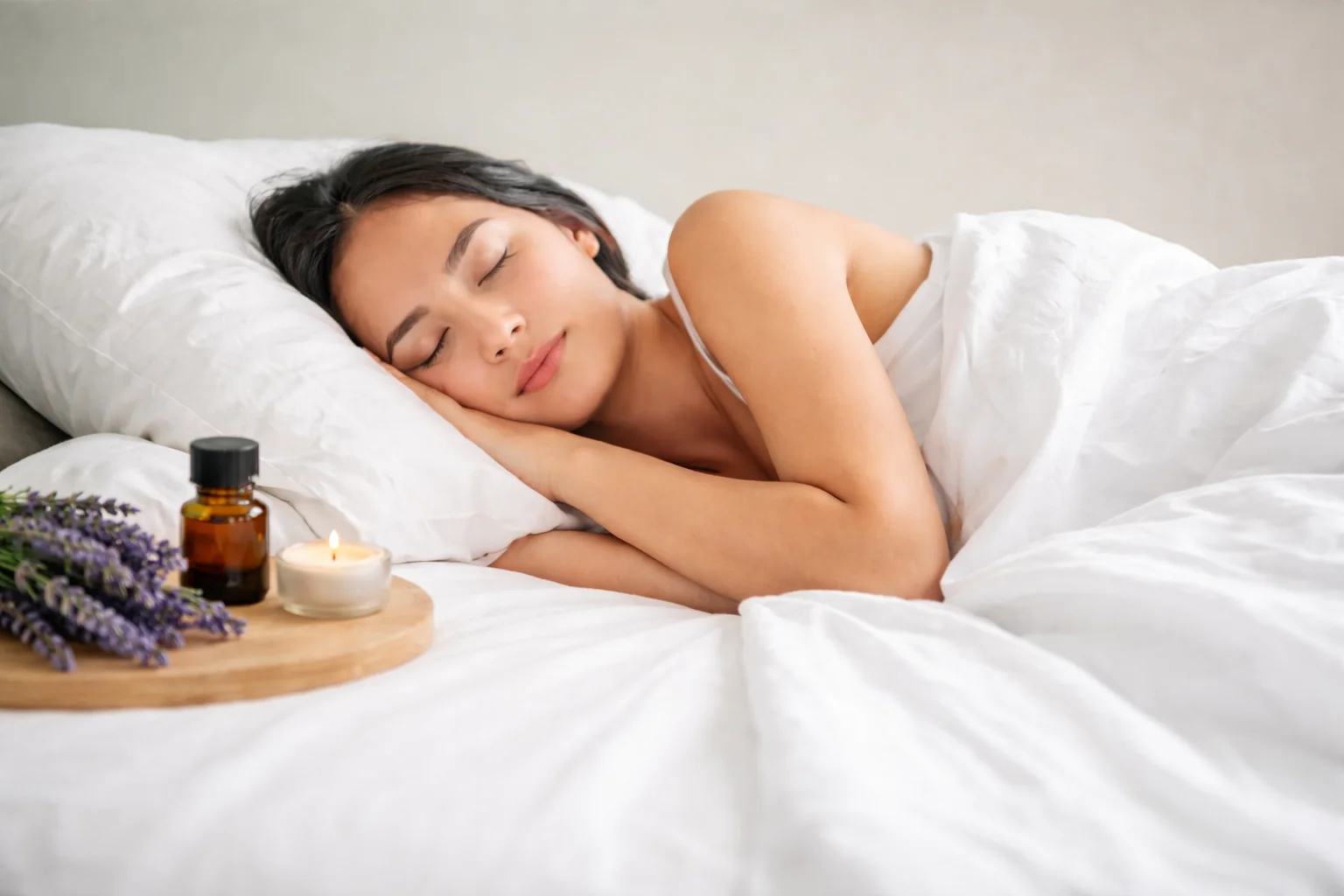
Understanding Sleep and Why It Matters
Quality sleep is foundational to health, yet millions struggle to get adequate rest. Poor sleep affects every aspect of life: mood, cognitive function, immune health, weight management, and cardiovascular health. While sleeping pills provide temporary relief, they often come with side effects including daytime drowsiness, dependency, and reduced sleep quality over time.
Natural sleep remedies work differently than pharmaceutical sleep aids. Rather than forcing unconsciousness, they support your body's natural sleep mechanisms, helping you fall asleep faster, stay asleep longer, and wake feeling refreshed.
Common Sleep Problems
- Insomnia: Difficulty falling asleep or staying asleep
- Sleep onset delay: Taking more than 30 minutes to fall asleep
- Night waking: Waking multiple times during the night
- Early morning awakening: Waking too early and unable to return to sleep
- Restless sleep: Tossing, turning, and non-restorative sleep
The good news: Natural remedies can address all these issues by working with your body's natural rhythms.
1. Melatonin: The Sleep Hormone
Melatonin is a hormone naturally produced by your brain's pineal gland in response to darkness. It regulates your sleep-wake cycle (circadian rhythm) and signals to your body that it's time for sleep.
What the Research Shows
Extensive research demonstrates melatonin's effectiveness:
- A meta-analysis of 19 studies found melatonin significantly reduced time to fall asleep by an average of 7 minutes
- Studies show it increases total sleep time by 8 minutes on average
- Particularly effective for jet lag, shift work, and delayed sleep phase disorder
- Helps older adults whose natural melatonin production decreases with age
How to Use Melatonin
Dosage: Start with 0.5-1mg taken 30-60 minutes before bedtime. Most people respond to 1-3mg. Higher doses (5-10mg) are not more effective and may cause next-day grogginess.
Timing is critical: Take melatonin at the same time each evening, 30-60 minutes before your desired sleep time. This helps regulate your circadian rhythm.
Best for: Jet lag, shift work, delayed sleep phase, occasional insomnia
😴 Recommended Melatonin Supplements
1. Immediate-Release Melatonin
• 1-3mg per dose
• For difficulty falling asleep
• Dissolves quickly for fast action
• Take 30-60 minutes before bed
2. Time-Release Melatonin
• For staying asleep through the night
• Gradual release over 6-8 hours
• Better for middle-of-night waking
• 3-5mg typical dose
3. Liquid Melatonin
• Flexible dosing (start low)
• Faster absorption
• Good for dose customization
Important Considerations
Not habit-forming: Unlike sleeping pills, melatonin doesn't create dependency.
Minimal side effects: Most people tolerate it well. Rare side effects include vivid dreams or morning grogginess (usually from too high a dose).
Drug interactions: May interact with blood thinners, diabetes medications, and immunosuppressants. Consult your doctor if taking medications.
2. Magnesium: The Relaxation Mineral
Magnesium is an essential mineral involved in over 300 bodily processes, including sleep regulation. Many Americans are deficient in magnesium, which can contribute to sleep problems.
How Magnesium Improves Sleep
Magnesium supports sleep through multiple mechanisms:
- Activates GABA receptors (the brain's main calming neurotransmitter)
- Regulates melatonin production
- Reduces cortisol (stress hormone)
- Relaxes muscles and nervous system
- Improves sleep quality and depth
A 2012 study published in the Journal of Research in Medical Sciences found that magnesium supplementation improved insomnia symptoms, sleep time, and sleep efficiency in elderly subjects.
Dosage and Forms
For sleep: 200-400mg taken 1-2 hours before bedtime.
Best forms for sleep:
- Magnesium glycinate: Highly absorbable, gentle on stomach, most recommended for sleep
- Magnesium threonate: Crosses blood-brain barrier, excellent for sleep and cognition
- Magnesium citrate: Well-absorbed but may have laxative effect at high doses
Avoid magnesium oxide: Poorly absorbed and primarily works as a laxative.
💊 Recommended Magnesium Supplements
Magnesium Glycinate 400mg
• Most recommended form for sleep
• Gentle on digestive system
• Take 1-2 hours before bed
• Promotes muscle relaxation
Magnesium L-Threonate
• Crosses blood-brain barrier
• Supports brain health
• Premium option
• Higher cost but highly effective
Food sources: Dark leafy greens, pumpkin seeds, almonds, black beans, dark chocolate
Timeline for Results
Many people notice improved sleep within 1-2 weeks of consistent magnesium supplementation. Maximum benefits typically appear after 4-8 weeks.
3. Valerian Root: Nature's Sedative
Valerian root has been used for centuries as a natural sleep aid and anxiety reducer. This herb works by increasing GABA (gamma-aminobutyric acid) in the brain, promoting relaxation.
Scientific Evidence
Research on valerian shows mixed but promising results:
- Multiple studies show improvement in sleep quality
- May reduce time to fall asleep by 15-20 minutes
- More effective with regular use (2-4 weeks) than single doses
- Works well when combined with other sleep herbs like hops or lemon balm
How to Use Valerian
Dosage: 300-600mg of valerian extract taken 30-120 minutes before bedtime.
Timeline: Unlike sleeping pills, valerian may take 2-4 weeks of consistent use to show full effects. Some people notice benefits sooner.
Note on smell: Valerian has a distinctive earthy, pungent odor. Capsules eliminate this concern.
Safety and Considerations
Valerian is generally well-tolerated with few side effects. Rarely, some people experience headaches or upset stomach. Avoid combining with alcohol or sedative medications.
4. Chamomile: The Calming Herb
Chamomile has been used for thousands of years as a natural remedy for sleep and anxiety. The flower contains apigenin, an antioxidant that binds to receptors in the brain promoting relaxation and sleep.
Research on Chamomile
Studies demonstrate chamomile's calming effects:
- Reduces anxiety and promotes relaxation
- Improves sleep quality in elderly populations
- May help with insomnia when used long-term
- Safe for most people with minimal side effects
How to Use Chamomile
Chamomile tea: 1-2 cups in the evening, steeped for 5-10 minutes. This is the most traditional and pleasant way to consume chamomile.
Chamomile extract: 220-1,100mg in capsule form, taken before bed for more concentrated doses.
Sleep ritual: Making chamomile tea can become a relaxing pre-sleep ritual, signaling to your body it's time to wind down.
5. Lavender: Aromatherapy for Sleep
Lavender is one of the most studied essential oils for sleep. Its calming scent has been shown to reduce anxiety and improve sleep quality.
The Science of Lavender
Multiple studies confirm lavender's sleep benefits:
- Inhaling lavender oil improves sleep quality in people with insomnia
- Reduces anxiety and promotes relaxation
- Slows heart rate and lowers blood pressure
- Increases deep sleep (slow-wave sleep)
How to Use Lavender for Sleep
Essential oil diffuser: Add 3-5 drops to a diffuser in your bedroom 30 minutes before sleep.
Pillow spray: Lightly spray lavender mist on your pillow (ensure it's diluted properly).
Lavender supplements: Silexan (lavender oil capsules) at 80-160mg has been studied for anxiety and sleep.
Bath: Add 5-10 drops of lavender essential oil to a warm evening bath for relaxation.
🌿 Recommended Lavender Products
Pure Lavender Essential Oil
• 100% therapeutic grade
• For diffusion or topical use (diluted)
• Calming and relaxing scent
• Use in bedroom before sleep
Lavender Pillow Spray
• Pre-diluted and ready to use
• Spray on pillow 10 minutes before bed
• Natural sleep association
Silexan Lavender Oil Capsules
• Oral supplement form
• 80mg standardized extract
• Reduces anxiety and improves sleep
6. L-Theanine: Calm Alertness
L-theanine is an amino acid found naturally in tea leaves, particularly green tea. It promotes relaxation without causing drowsiness during the day, but improves sleep quality when taken before bed.
How L-Theanine Works
- Increases alpha brain waves (associated with relaxation)
- Boosts GABA, serotonin, and dopamine levels
- Reduces stress and anxiety
- Improves sleep quality without sedation
Research shows L-theanine reduces time to fall asleep and improves sleep quality, particularly when combined with other sleep aids like GABA.
Dosage
For sleep: 200-400mg taken 30-60 minutes before bedtime.
Daytime use: 100-200mg can be taken during the day for stress reduction without drowsiness.
L-theanine is very safe with no known side effects at recommended doses.
7. Glycine: The Sleep Amino Acid
Glycine is an amino acid that has emerged as an effective sleep aid in recent research. It works by lowering core body temperature and calming brain activity.
Research Evidence
Studies on glycine for sleep show impressive results:
- Reduces time to fall asleep
- Improves sleep quality and reduces daytime sleepiness
- Enhances REM sleep
- Improves cognitive performance the next day
A Japanese study found that 3 grams of glycine before bed significantly improved sleep quality and reduced daytime fatigue.
How to Use Glycine
Dosage: 3 grams (3,000mg) taken 30-60 minutes before bedtime.
Form: Glycine powder dissolves easily in water and has a slightly sweet taste. Can also be found in capsule form.
Glycine is very safe and well-tolerated. It's actually one of the building blocks of protein in your body.
8. Passionflower: Anxiety Relief for Better Sleep
Passionflower is a climbing vine that has been used traditionally to treat anxiety and insomnia. It works by increasing GABA levels in the brain.
Scientific Support
Research shows passionflower can:
- Reduce anxiety as effectively as some anti-anxiety medications
- Improve sleep quality
- Help with racing thoughts that prevent sleep
- Work well combined with other calming herbs
How to Use Passionflower
Tea: 1 cup of passionflower tea 30-60 minutes before bed.
Extract: 400-800mg of passionflower extract before bedtime.
Combinations: Often found in herbal sleep formulas combined with valerian, chamomile, or lemon balm.
Essential Sleep Hygiene Practices
Natural supplements work best when combined with good sleep hygiene. These practices optimize your body's natural sleep mechanisms:
1. Maintain a Consistent Sleep Schedule
Go to bed and wake up at the same time every day, even on weekends. This regulates your circadian rhythm.
2. Create a Sleep-Friendly Environment
- Dark: Use blackout curtains or an eye mask
- Cool: Keep bedroom temperature between 60-67°F (15-19°C)
- Quiet: Use earplugs or white noise if needed
- Comfortable: Invest in a quality mattress and pillows
3. Limit Screen Time Before Bed
Blue light from phones, tablets, and computers suppresses melatonin production. Stop screen use 1-2 hours before bed, or use blue light blocking glasses.
4. Avoid Caffeine After 2 PM
Caffeine has a half-life of 5-6 hours. That afternoon coffee could still be affecting your sleep at bedtime.
5. Exercise Regularly (But Not Too Late)
Regular exercise improves sleep quality, but avoid vigorous exercise within 3 hours of bedtime.
6. Manage Stress
Practice relaxation techniques like meditation, deep breathing, or gentle yoga in the evening.
7. Watch Your Diet
- Don't go to bed hungry or overly full
- Avoid heavy meals within 3 hours of bedtime
- Limit alcohol (disrupts sleep quality)
- Consider a light snack with complex carbs and protein
8. Develop a Bedtime Routine
Create a relaxing 30-60 minute pre-sleep routine: warm bath, reading, gentle stretching, or chamomile tea.
Frequently Asked Questions
Get Our Free Natural Remedy Guide
Want more natural health tips? Download our comprehensive guide to 15 essential natural remedies for common health concerns.
Get Free Guide