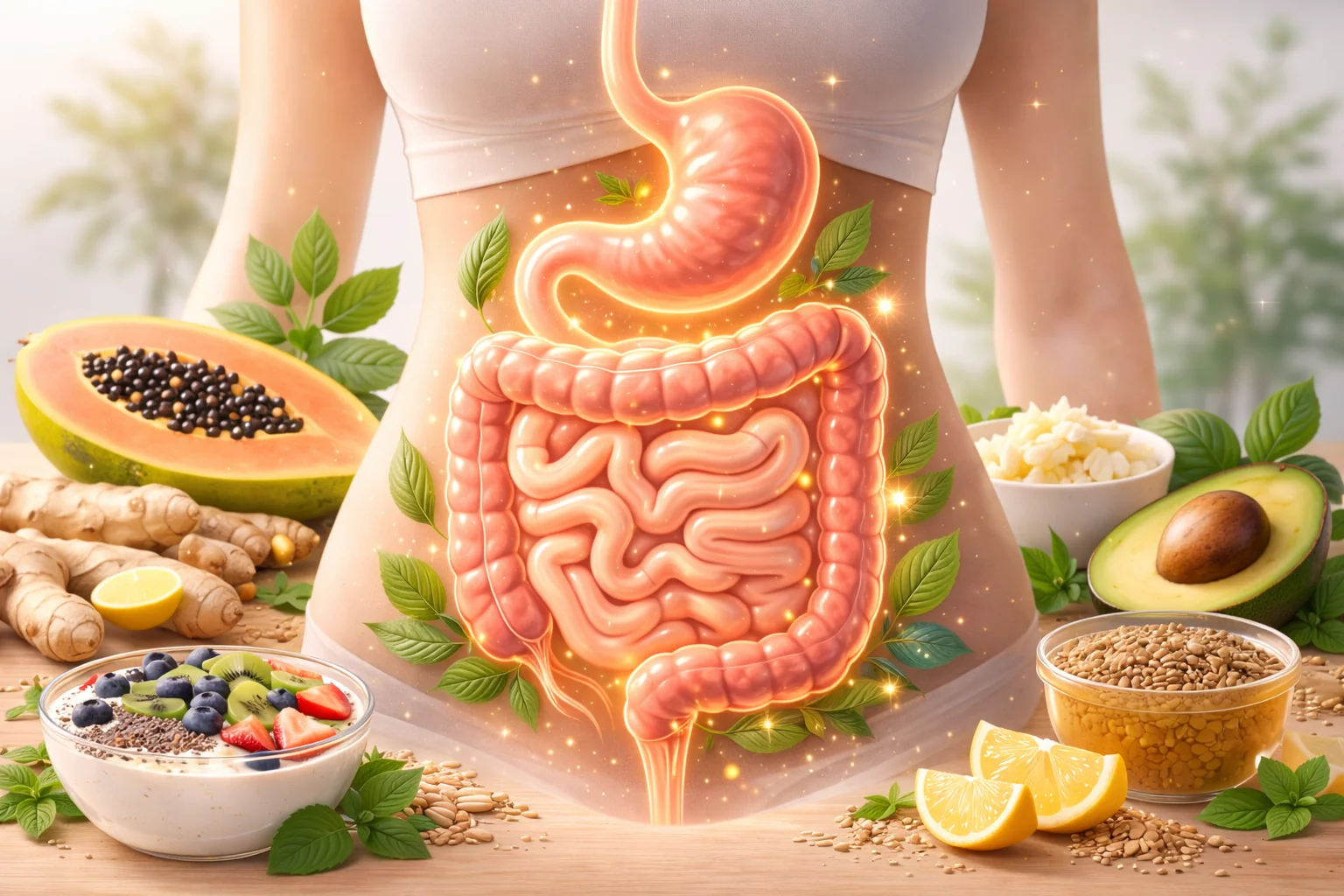
Understanding Digestive Health
Your digestive system is far more than just a food processor. It's home to trillions of bacteria (your gut microbiome), houses 70% of your immune system, produces neurotransmitters like serotonin, and directly impacts your overall health, mood, and energy levels.
When digestive health suffers, the effects ripple throughout your entire body. Common digestive problems include bloating, gas, constipation, diarrhea, acid reflux, and irritable bowel syndrome (IBS). While medications can provide temporary relief, they often don't address root causes and may have side effects with long-term use.
Common Digestive Issues
- Bloating and gas: Often caused by poor gut bacteria balance, food intolerances, or eating too quickly
- Constipation: Fewer than three bowel movements per week, often from low fiber, dehydration, or medication
- Diarrhea: Loose, frequent stools from infections, food sensitivities, or stress
- Acid reflux/heartburn: Stomach acid flowing back into esophagus
- IBS (Irritable Bowel Syndrome): Chronic condition causing cramping, bloating, and altered bowel habits
- Indigestion: Discomfort after eating, often with fullness or nausea
Natural remedies work by supporting your digestive system's natural functions, healing the gut lining, balancing gut bacteria, and reducing inflammation.
1. Probiotics: The Foundation of Gut Health
Probiotics are beneficial bacteria that support digestive health, immune function, and overall wellness. Your gut contains trillions of these microorganisms, and maintaining the right balance is crucial for optimal digestion.
What the Research Shows
Extensive research demonstrates probiotics' effectiveness for digestive health:
- Reduce symptoms of IBS (bloating, gas, pain) by 50% or more in many studies
- Prevent and treat antibiotic-associated diarrhea
- Help with inflammatory bowel diseases (Crohn's, ulcerative colitis)
- Improve constipation and regularity
- Support immune function and reduce inflammation
- May help with food allergies and eczema
A 2018 meta-analysis published in Gastroenterology found that specific probiotic strains significantly reduced IBS symptoms compared to placebo.
Best Probiotic Strains for Digestion
For IBS: Bifidobacterium infantis, Lactobacillus plantarum, VSL#3 (multi-strain formula)
For diarrhea: Lactobacillus rhamnosus GG, Saccharomyces boulardii
For constipation: Bifidobacterium lactis
For general gut health: Multi-strain formulas with Lactobacillus and Bifidobacterium species
🦠 Recommended Probiotic Supplements
Multi-Strain Probiotic (10-50 billion CFU)
• Contains 10+ different strains
• Lactobacillus and Bifidobacterium species
• Take daily with or without food
• Refrigerated or shelf-stable options
Saccharomyces boulardii
• Yeast-based probiotic
• Excellent for diarrhea and antibiotic use
• 250-500mg daily
• Heat-stable, no refrigeration needed
Probiotic Foods:
• Yogurt with live cultures
• Kefir
• Sauerkraut (unpasteurized)
• Kimchi
• Kombucha
• Miso
How to Use Probiotics
Dosage: 10-50 billion CFU (colony-forming units) daily for most adults. Higher doses (50-100 billion) may help during digestive issues or after antibiotics.
Timing: Can be taken with or without food, but consistency matters more than timing.
Timeline: Many people notice improvements within 2-4 weeks, but optimal benefits may take 2-3 months of consistent use.
2. Fiber: The Digestive System's Best Friend
Fiber is essential for digestive health, yet 95% of Americans don't get enough. Adequate fiber promotes regularity, feeds beneficial gut bacteria, and supports overall digestive wellness.
Two Types of Fiber
Soluble fiber: Dissolves in water, forming a gel. Feeds good bacteria, helps lower cholesterol, and regulates blood sugar. Found in: oats, beans, apples, psyllium.
Insoluble fiber: Doesn't dissolve in water. Adds bulk to stool and promotes regularity. Found in: whole grains, nuts, vegetables, wheat bran.
You need both types for optimal digestive health.
Benefits of Adequate Fiber
- Prevents and relieves constipation
- Feeds beneficial gut bacteria (prebiotic effect)
- Reduces bloating and gas (counterintuitively, once your gut adjusts)
- Promotes regular bowel movements
- Lowers risk of colon cancer and diverticulitis
- Helps with weight management (increases satiety)
How Much Fiber Do You Need?
Recommended daily intake:
- Women: 25 grams
- Men: 38 grams
- Adults over 50: Slightly less (21g for women, 30g for men)
Most Americans get only 15 grams daily – less than half the recommended amount.
🌾 Fiber Supplement Recommendations
Psyllium Husk Powder
• Excellent soluble fiber source
• 5-10g daily, mixed in water
• Take 30 minutes before meals
• Drink plenty of water (critical!)
Inulin (Prebiotic Fiber)
• Feeds beneficial gut bacteria
• 5-10g daily
• Start with small amounts
• Found in chicory root
Acacia Fiber (Gum Arabic)
• Gentle, well-tolerated
• Prebiotic benefits
• Less gas than other fibers
• 5-10g daily
High-Fiber Foods:
• Beans and lentils (15g per cup)
• Chia seeds (10g per 2 Tbsp)
• Raspberries (8g per cup)
• Oats (4g per cup cooked)
• Broccoli (5g per cup)
Important: Increase Fiber Gradually
Increasing fiber too quickly causes gas and bloating. Add 5 grams every few days until you reach your target. Always drink plenty of water with fiber – without adequate water, fiber can worsen constipation.
3. Ginger: Ancient Digestive Aid
Ginger has been used for over 5,000 years to treat digestive problems. Modern research confirms its effectiveness for nausea, bloating, and overall digestion.
How Ginger Helps Digestion
- Reduces nausea and vomiting (including morning sickness and chemotherapy-induced nausea)
- Speeds up stomach emptying (gastroparesis)
- Reduces bloating and gas
- Has anti-inflammatory properties
- Eases indigestion and discomfort
Research shows ginger accelerates gastric emptying by up to 50%, helping food move through the digestive system more efficiently.
How to Use Ginger
Fresh ginger tea: 1-2 inch piece of fresh ginger, peeled and sliced, steeped in hot water for 10 minutes. Drink before or after meals.
Ginger supplements: 250-500mg of ginger extract, 2-3 times daily.
Candied ginger: A small piece after meals can aid digestion (watch sugar content).
For nausea: 1 gram of ginger (about 1/4 teaspoon powdered ginger or 1/2 inch fresh ginger).
4. Peppermint Oil: Proven IBS Relief
Peppermint oil is one of the most well-researched natural remedies for IBS and digestive discomfort. It works by relaxing smooth muscles in the digestive tract.
Scientific Evidence
Multiple studies confirm peppermint oil's effectiveness:
- Reduces IBS symptoms by 40% in clinical trials
- Decreases abdominal pain and bloating
- Reduces gas and discomfort
- Works as well as some prescription IBS medications
A 2019 meta-analysis in BMC Complementary Medicine and Therapies found enteric-coated peppermint oil significantly improved IBS symptoms.
How to Use Peppermint Oil
Critical: Use enteric-coated capsules. Regular peppermint oil can cause heartburn. Enteric coating allows the oil to reach the intestines intact.
Dosage: 180-200mg of enteric-coated peppermint oil, 2-3 times daily between meals.
Peppermint tea: Can help with mild digestive upset, though less potent than oil capsules for IBS.
🌱 Recommended Peppermint Products
Enteric-Coated Peppermint Oil Capsules
• 180-200mg per capsule
• Take between meals
• Enteric coating prevents heartburn
• Clinically studied for IBS
Peppermint Tea
• For mild digestive upset
• Soothing and pleasant
• Drink after meals
• Safe for most people
Cautions
Avoid peppermint oil if you have GERD or hiatal hernia (it relaxes the sphincter and may worsen reflux). Not recommended during pregnancy.
5. Digestive Enzymes: Helping Break Down Food
Digestive enzymes help break down proteins, fats, and carbohydrates. While your body produces these naturally, supplementation can help when production is insufficient.
When Digestive Enzymes Help
- Pancreatic insufficiency
- Age-related enzyme decline
- After gallbladder removal
- Bloating after meals
- Lactose intolerance (lactase enzyme)
- Feeling overly full after normal portions
Types of Digestive Enzymes
Proteases: Break down proteins
Lipases: Break down fats
Amylases: Break down carbohydrates
Lactase: Breaks down lactose (milk sugar)
How to Use
Timing: Take digestive enzymes at the beginning of meals.
Dosage: Follow product instructions, as potency varies. Typically 1-2 capsules per meal.
Look for broad-spectrum enzyme formulas that include proteases, lipases, and amylases.
6. Aloe Vera: Soothing the Digestive Tract
Aloe vera has been used for centuries to soothe digestive inflammation. Research shows benefits for IBS and inflammatory bowel conditions.
Benefits for Digestion
- Soothes intestinal inflammation
- May help with IBS symptoms
- Supports healing of stomach ulcers
- Has mild laxative effects (from latex, not gel)
- Provides anti-inflammatory compounds
How to Use Aloe Vera
Aloe vera juice: 2-4 ounces of pure aloe vera juice (not whole leaf, which contains laxative compounds) twice daily on empty stomach.
Important: Choose products made from aloe gel only, not whole leaf. Whole leaf contains aloin, a powerful laxative that can cause cramping.
7. Fennel Seeds: Traditional Digestive Remedy
Fennel seeds have been used traditionally across cultures to ease digestion, reduce gas, and soothe stomach discomfort.
Digestive Benefits
- Reduces bloating and gas
- Relaxes digestive muscles
- Eases cramping
- Has anti-inflammatory properties
- Freshens breath
How to Use Fennel
Fennel tea: Crush 1 teaspoon fennel seeds, steep in hot water for 10 minutes. Drink after meals.
Chewing seeds: Chew 1/2 teaspoon of fennel seeds after meals (traditional Indian practice).
Supplements: 100-200mg fennel extract 2-3 times daily.
8. Apple Cider Vinegar: For Low Stomach Acid
Apple cider vinegar (ACV) may help people with low stomach acid (hypochlorhydria), which can cause bloating, gas, and indigestion.
How ACV May Help
Many digestive problems stem from too little stomach acid, not too much. Symptoms of low stomach acid include:
- Bloating and gas, especially after protein meals
- Feeling full quickly
- Undigested food in stool
- Multiple food sensitivities
ACV provides acetic acid that may help with digestion when stomach acid is insufficient.
How to Use Apple Cider Vinegar
Dosage: 1-2 tablespoons of raw, unfiltered apple cider vinegar in 8 ounces of water, 15-20 minutes before meals.
Important: Always dilute ACV. Never consume it straight, as the acidity can damage tooth enamel and throat tissue.
Caution: Don't use if you have GERD, ulcers, or take medications that lower potassium.
9. Bone Broth: Gut Healing Elixir
Bone broth contains gelatin, collagen, amino acids (especially glycine and glutamine), and minerals that support gut healing and digestive health.
Benefits for Digestion
- Gelatin helps seal the gut lining ("leaky gut")
- Glutamine repairs intestinal cells
- Glycine aids digestion and reduces inflammation
- Easy to digest and nutrient-dense
- Supports gut lining integrity
How to Use Bone Broth
Homemade: Simmer bones (chicken, beef, or fish) with vegetables and apple cider vinegar for 12-24 hours. The long cooking extracts beneficial compounds.
Store-bought: Choose high-quality bone broth that gels when refrigerated (indicates collagen content). Many brands are available.
Dosage: 1-2 cups daily, either as a drink or used in soups and cooking.
Essential Dietary Changes for Digestive Health
Supplements work best when combined with digestive-friendly dietary habits:
1. Eat Mindfully
- Chew thoroughly (each bite 20-30 times)
- Eat slowly, without distractions
- Put your fork down between bites
- Stop eating when 80% full
2. Stay Hydrated
Drink 8-10 glasses of water daily. Water helps fiber work, prevents constipation, and supports all digestive processes. Drink most water between meals rather than with meals.
3. Identify Food Triggers
Common triggers include:
- Dairy (lactose intolerance)
- Gluten (celiac or sensitivity)
- High-FODMAP foods (for IBS)
- Spicy foods
- Fried and fatty foods
- Artificial sweeteners
Consider an elimination diet or food journal to identify your triggers.
4. Eat More Fermented Foods
Natural probiotics from food:
- Yogurt and kefir
- Sauerkraut and kimchi
- Kombucha
- Miso and tempeh
5. Reduce Stress
The gut-brain connection is real. Stress directly affects digestion through the enteric nervous system. Practice stress management through meditation, exercise, adequate sleep, and relaxation techniques.
6. Exercise Regularly
Physical activity promotes healthy digestion, regular bowel movements, and reduces bloating. Even a 15-minute walk after meals helps.
Frequently Asked Questions
Get Our Free Natural Remedy Guide
Want more natural health tips? Download our comprehensive guide to 15 essential natural remedies for common health concerns.
Get Free Guide