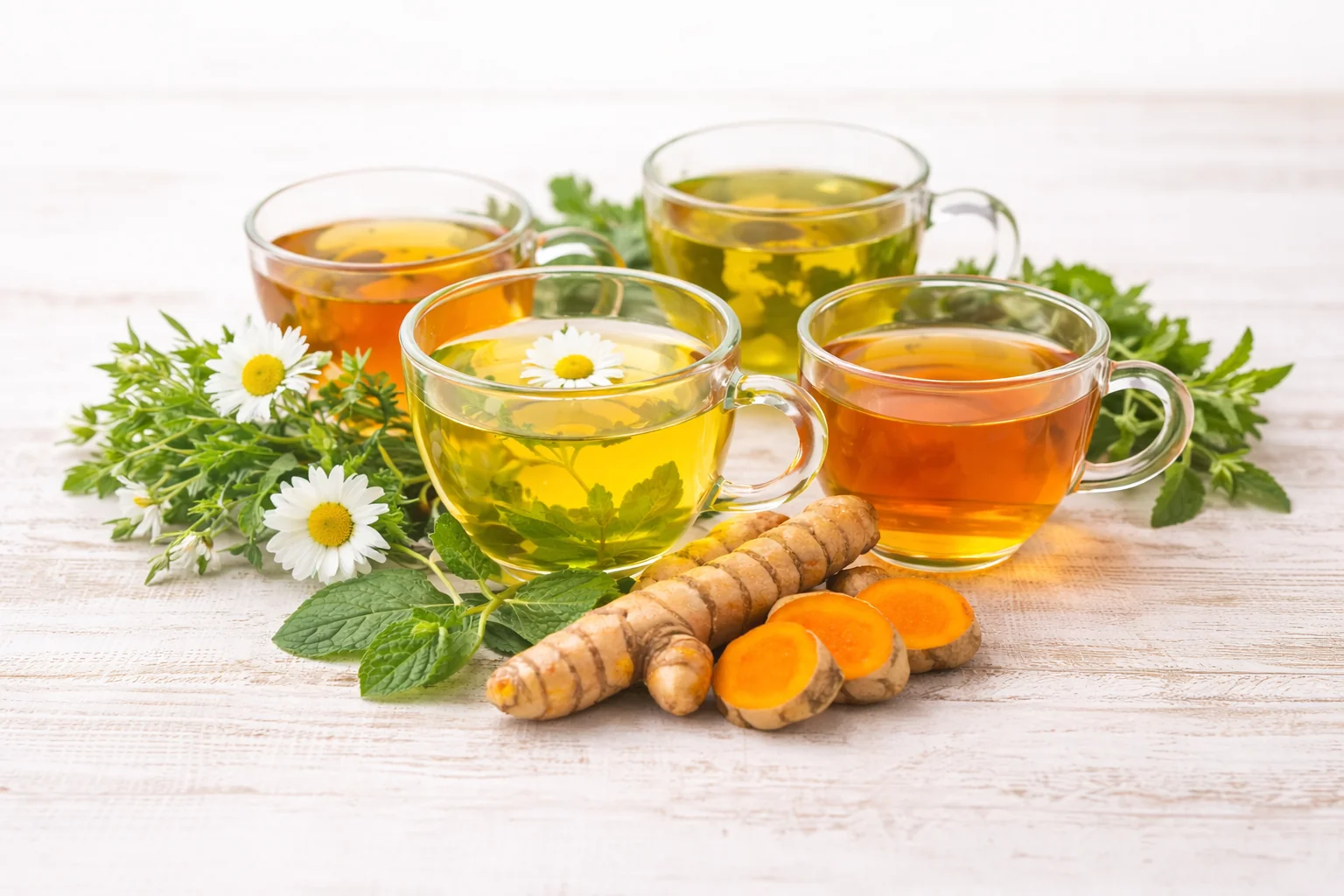
Understanding Inflammation and How Tea Helps
Inflammation is your body's natural response to injury or infection. Acute inflammation is healthy and protective. However, chronic low-grade inflammation that persists for months or years damages tissues and contributes to many serious diseases.
Conditions Linked to Chronic Inflammation
- Arthritis and joint pain
- Heart disease
- Type 2 diabetes
- Alzheimer's disease
- Cancer
- Autoimmune diseases
- Inflammatory bowel disease
- Premature aging
How Herbal Teas Fight Inflammation
Anti-inflammatory teas contain polyphenols, flavonoids, and other bioactive compounds that:
- Inhibit inflammatory enzymes (COX-1, COX-2)
- Reduce production of inflammatory cytokines
- Act as antioxidants, neutralizing free radicals
- Support healthy immune function
- Protect cells from oxidative damage
Unlike anti-inflammatory medications that may have side effects with long-term use, herbal teas offer gentle, sustained anti-inflammatory benefits when consumed regularly.
1. Turmeric Tea (Golden Milk): The Gold Standard
Turmeric tea, often called "golden milk" when made with milk, contains curcumin – one of the most powerful natural anti-inflammatory compounds known to science.
Anti-Inflammatory Benefits
- Curcumin blocks inflammatory pathways at the molecular level
- As effective as some anti-inflammatory drugs for arthritis pain
- Reduces inflammatory markers (CRP, IL-6, TNF-alpha)
- May reduce inflammation by up to 40% in some studies
- Particularly effective for joint inflammation
- Supports brain health by reducing neuroinflammation
Scientific Evidence
A 2016 study in the Journal of Medicinal Food found that curcumin extract was as effective as ibuprofen for reducing osteoarthritis pain and inflammation. Multiple studies confirm curcumin's powerful anti-inflammatory effects.
How to Make Turmeric Tea
Basic Turmeric Tea:
- 1 cup boiling water
- 1 teaspoon turmeric powder (or 1-inch fresh turmeric root, grated)
- Pinch of black pepper (essential - increases absorption by 2,000%)
- Optional: honey, lemon, ginger
Steep for 10 minutes, strain if using fresh turmeric.
Golden Milk Recipe:
- 1 cup milk (dairy or plant-based)
- 1 teaspoon turmeric powder
- 1/2 teaspoon cinnamon
- Pinch of black pepper
- 1 teaspoon honey or maple syrup
- Optional: pinch of ginger, cardamom
Heat milk, whisk in spices, simmer 5 minutes.
🌟 Recommended Turmeric Tea Products
Organic Turmeric Powder
• High-quality, organic turmeric
• Make your own tea blends
• Include black pepper for absorption
• 1 teaspoon per cup
Turmeric Tea Bags
• Pre-blended with black pepper and ginger
• Convenient for daily use
• Many include complementary anti-inflammatory spices
• Steep 5-10 minutes
Golden Milk Powder Mix
• Pre-mixed turmeric, spices, and sweetener
• Just add to warm milk
• Look for brands with black pepper included
Best Practices
Critical: Always include black pepper (piperine). Without it, curcumin absorption is very poor.
Add healthy fat: Curcumin is fat-soluble. Add a teaspoon of coconut oil or use milk for better absorption.
Consistency matters: Drink 1-2 cups daily for sustained anti-inflammatory effects.
2. Ginger Tea: Powerful and Proven
Ginger has been used for over 5,000 years for its medicinal properties. Modern research confirms it's one of the most effective anti-inflammatory foods available.
Anti-Inflammatory Benefits
- Contains gingerols and shogaols – potent anti-inflammatory compounds
- Inhibits COX-1 and COX-2 enzymes (like aspirin and ibuprofen)
- Reduces inflammatory markers significantly
- Particularly effective for osteoarthritis pain
- Reduces muscle pain and soreness
- May help with inflammatory digestive conditions
Scientific Evidence
A 2015 study found that ginger was as effective as ibuprofen for reducing knee osteoarthritis pain. Research consistently shows ginger reduces inflammation markers and pain in arthritis patients.
How to Make Ginger Tea
Fresh Ginger Tea (Most Potent):
- 1-2 inch piece of fresh ginger, peeled and sliced thin
- 2 cups boiling water
- Steep 10-15 minutes (longer = stronger)
- Optional: lemon, honey
For maximum potency: Crush or grate the ginger before steeping to release more compounds.
Ginger-Turmeric Combo:
- 1 inch fresh ginger, sliced
- 1 inch fresh turmeric, sliced (or 1 tsp powder)
- 2 cups boiling water
- Pinch of black pepper
- Steep 10-15 minutes
Dosage for Inflammation
Fresh ginger: 1-2 inches of fresh ginger root daily (2-3 cups of tea)
Dried ginger: 1-2 grams daily
Ginger tea bags: 2-3 cups daily
Best Practices
Fresh ginger is more potent than dried. Store fresh ginger in the freezer for easy grating. The longer you steep, the stronger the anti-inflammatory effect (but also spicier).
3. Green Tea: EGCG Powerhouse
Green tea is one of the most studied beverages for health benefits. Its primary anti-inflammatory compound, EGCG (epigallocatechin gallate), is remarkably powerful.
Anti-Inflammatory Benefits
- EGCG reduces production of inflammatory cytokines
- Powerful antioxidant (more potent than vitamins C and E)
- May reduce arthritis symptoms and joint damage
- Protects against neurodegenerative diseases
- Reduces cardiovascular inflammation
- May help prevent inflammatory diseases
Scientific Evidence
Numerous studies demonstrate green tea's anti-inflammatory effects:
- Reduces inflammatory markers (CRP, IL-6)
- May slow progression of rheumatoid arthritis
- Protects brain cells from inflammatory damage
- Reduces inflammation in metabolic syndrome
How to Brew Green Tea for Maximum Benefits
Critical brewing tips:
- Water temperature: 160-180°F (70-80°C), NOT boiling
- Steep time: 2-3 minutes (longer = bitter, degraded EGCG)
- Don't over-steep: Excessive steeping reduces beneficial compounds
Basic Green Tea:
- 1 teaspoon loose leaf green tea (or 1 tea bag)
- 1 cup water at 170°F
- Steep 2-3 minutes
🍵 Recommended Green Tea Products
Organic Loose Leaf Green Tea
• Sencha, Gyokuro, or Dragon Well varieties
• Highest EGCG content
• Better quality than most tea bags
• Multiple steepings possible
Matcha Green Tea Powder
• Whole leaf powder – maximum nutrients
• 10x more EGCG than brewed green tea
• 1/2 - 1 teaspoon whisked in hot water
• Can add to smoothies
High-Quality Green Tea Bags
• Convenient for daily use
• Look for organic, whole leaf in sachets
• Japanese green teas often highest quality
Dosage for Anti-Inflammatory Effects
Standard dose: 3-5 cups daily
EGCG content: Each cup contains 50-100mg EGCG
Matcha alternative: 1-2 cups matcha = 5-10 cups regular green tea
Important Notes
Green tea contains caffeine (25-50mg per cup). If sensitive, choose decaf or avoid after 2 PM. Take iron supplements separately from green tea (compounds in tea reduce iron absorption).
4. Chamomile Tea: Gentle Anti-Inflammatory
Chamomile is known for its calming properties, but it's also a potent anti-inflammatory herb with unique benefits.
Anti-Inflammatory Benefits
- Contains apigenin – powerful anti-inflammatory flavonoid
- Reduces inflammation in digestive tract
- May help with inflammatory skin conditions
- Reduces markers of inflammation (CRP)
- Particularly effective for inflammatory digestive issues
- Calming effect reduces stress-related inflammation
Scientific Evidence
Studies show chamomile:
- Reduces inflammatory markers in diabetic patients
- Helps with inflammatory digestive conditions
- Has anti-inflammatory effects comparable to some NSAIDs
- Reduces inflammation-related oxidative stress
How to Make Chamomile Tea
Traditional Chamomile:
- 1-2 teaspoons dried chamomile flowers (or 1 tea bag)
- 1 cup boiling water
- Steep 5-10 minutes, covered
- Strain
For maximum anti-inflammatory effect: Steep 10 minutes for higher extraction of beneficial compounds.
Dosage
For anti-inflammatory effects: 2-3 cups daily
Best timing: Evening (promotes sleep, reduces stress-related inflammation)
Special Benefits
Chamomile's dual action – reducing inflammation while promoting relaxation – makes it particularly effective since chronic stress contributes to inflammation.
5. Rooibos Tea (Red Tea): Antioxidant Powerhouse
Rooibos, from South Africa, is naturally caffeine-free and packed with unique antioxidants that fight inflammation.
Anti-Inflammatory Benefits
- Contains aspalathin – unique anti-inflammatory antioxidant
- Rich in quercetin and other flavonoids
- Reduces oxidative stress and inflammation
- May help with inflammatory skin conditions
- Supports cardiovascular health
- Caffeine-free (can drink anytime)
Scientific Evidence
Research on rooibos shows:
- Significantly reduces inflammatory markers
- Protects against oxidative damage
- May improve cardiovascular inflammation markers
- Helps balance immune response
How to Brew Rooibos Tea
Basic Rooibos:
- 1-2 teaspoons loose rooibos (or 1 tea bag)
- 1 cup boiling water
- Steep 5-10 minutes
Advantage: Unlike green tea, rooibos doesn't become bitter with longer steeping, so you can steep longer for more antioxidants.
Dosage
For anti-inflammatory effects: 3-6 cups daily (caffeine-free, so safe to drink all day)
Special Advantages
- Naturally sweet (no added sugar needed)
- Caffeine-free (good for evening or caffeine-sensitive)
- Low in tannins (doesn't interfere with iron absorption like green/black tea)
- Safe for children and during pregnancy
How to Brew for Maximum Anti-Inflammatory Benefits
General Brewing Tips
1. Water Quality
Use filtered water. Chlorine and impurities can affect flavor and compound extraction.
2. Temperature Matters
- Green tea: 160-180°F (delicate, lower temp)
- Turmeric, ginger, chamomile, rooibos: Boiling water (212°F)
3. Steeping Time
- Green tea: 2-3 minutes
- Turmeric/Ginger: 10-15 minutes
- Chamomile/Rooibos: 5-10 minutes
4. Cover While Steeping
Covering your tea while it steeps prevents beneficial volatile oils from evaporating.
5. Fresh is Best
For maximum potency, use fresh turmeric and ginger when possible. Store dried herbs in airtight containers away from light.
Enhancing Absorption
For turmeric: Add black pepper and a healthy fat (coconut oil, milk)
For all teas: Drink on an empty stomach or between meals for best absorption
Timing: Spread tea consumption throughout the day for sustained anti-inflammatory effects
Combining Teas for Enhanced Anti-Inflammatory Effects
Combining anti-inflammatory teas can create synergistic effects where the total benefit exceeds individual teas.
Powerful Combinations
1. Turmeric + Ginger + Black Pepper
This is the ultimate anti-inflammatory trio. Ginger enhances turmeric's effects, and black pepper dramatically increases curcumin absorption.
Recipe:
- 1 inch fresh turmeric, grated
- 1 inch fresh ginger, sliced
- Generous pinch black pepper
- 2 cups boiling water
- Steep 10 minutes, add honey and lemon
2. Green Tea + Turmeric
EGCG from green tea + curcumin from turmeric = powerful combination.
3. Chamomile + Ginger
Soothing for digestive inflammation while reducing overall inflammatory markers.
Daily Anti-Inflammatory Tea Schedule
Morning: Green tea (for energy + EGCG)
Mid-morning: Turmeric-ginger tea
Afternoon: Green tea or rooibos
Evening: Chamomile (reduces stress-related inflammation, promotes sleep)
Frequently Asked Questions
Get Our Free Natural Remedy Guide
Want more natural health tips? Download our comprehensive guide to 15 essential natural remedies for common health concerns.
Get Free Guide